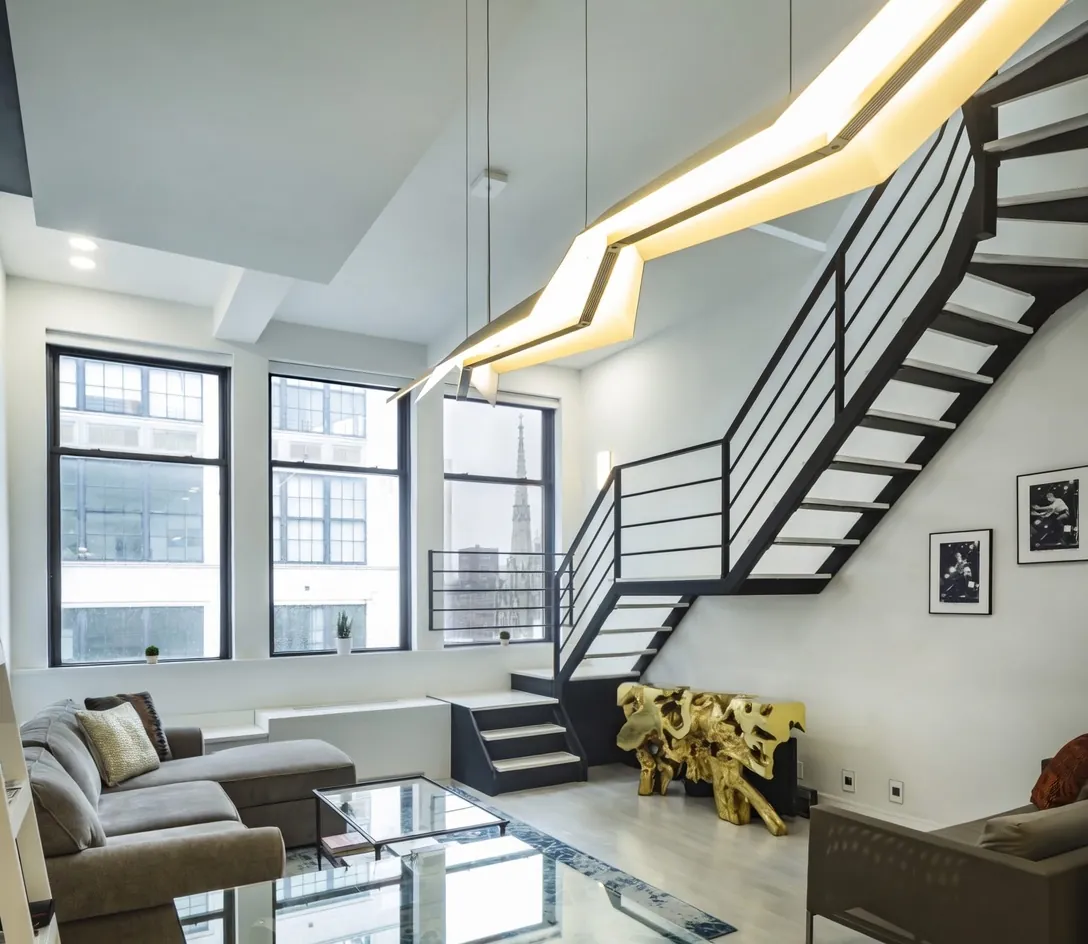
The smart apartment conversation has matured. The question is no longer whether to include technology in a renovation but which technology has earned a permanent place in the walls, because a renovation is precisely when the wiring that separates seamless from janky gets decided. Our rule after decades of Manhattan and Brooklyn projects: automate the things you do every day and the disasters you hope to never see, and skip the rest.
Start With the Walls-Open List
Whatever brands you choose later, certain infrastructure belongs in every serious renovation while the walls are open: neutral wires and deep boxes at every switch location, power at the window head for future or current motorized shades, hardwired ethernet to the TV wall, the office, and ceiling access-point locations, conduit to the media wall so tomorrow's cable has a path, and a tidy, ventilated home for the router and hubs. This list costs little during rough electrical and buys a decade of flexibility, which is why it is standard thinking in our design-build process.
Lighting: The Daily Win
Nothing you automate will be used more than light. Scene keypads replace the six-switch wall with labeled buttons, Evening, Cooking, Movie, All Off, and dimming everywhere makes the apartment feel designed at every hour. This is the practical payoff of the layered approach in our lighting design guide: layers are only luxurious if controlling them is effortless. Choose established lighting-control lines, keep the programming simple, and make sure every scene has a plain wall control a houseguest can operate without a tutorial.
Shades, Climate, and the Comforts
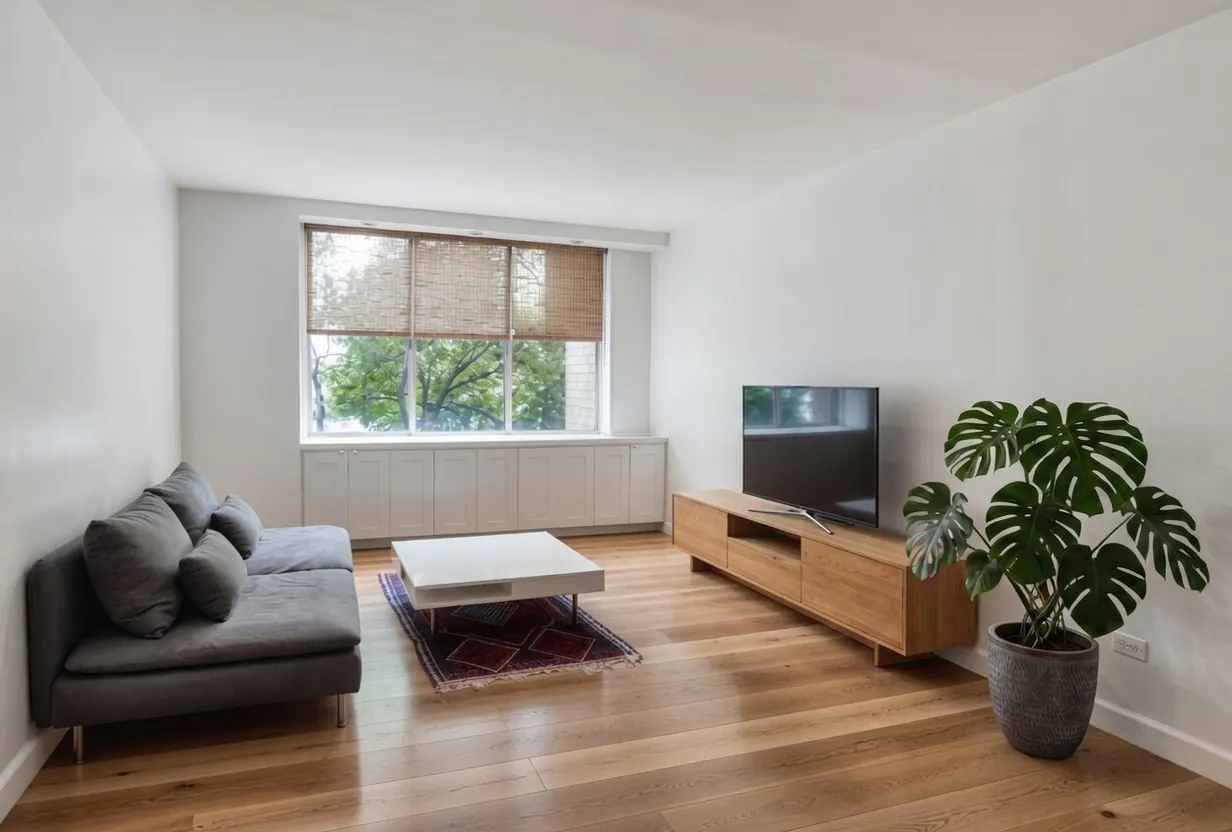
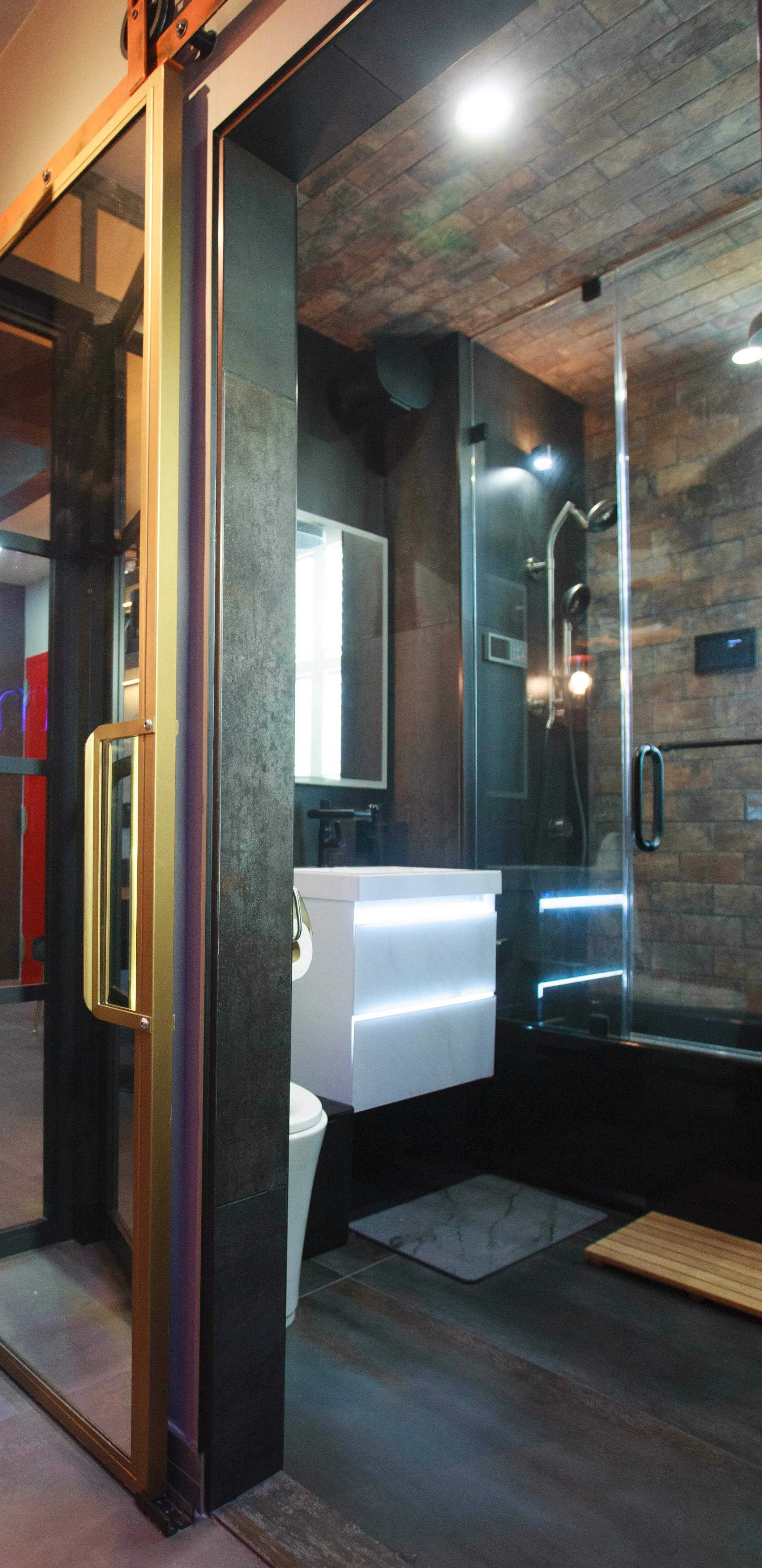
Motorized shades are the upgrade owners call addictive: whole rooms rise to the morning on schedule, and the tall or stacked windows nobody reached get used again, provided power was planned at the head. Climate follows: smart thermostats where systems allow, unified control of mini-splits, and scheduled setbacks that fit how the apartment actually empties and fills. In renovated bathrooms, heated floors on programmable controls and digital shower and steam systems have quietly become part of the luxury standard we describe in our bathroom trends guide.
Protection: The Unsung Category
The smartest device in any NYC apartment is the one that stops water. Leak sensors under every sink, at the dishwasher, behind the toilet, and beside the washer, tied to an automatic shutoff valve, convert a vacation-week catastrophe into a push notification. Boards increasingly smile on them, insurers occasionally discount for them, and they pair naturally with the laundry projects in our washer and dryer guide. Add a video intercom integration where the building allows, smart locks if your door and house rules permit, and the security layer is complete without a single blinking gadget on a shelf.
A Word on Restraint
The failure mode of smart homes is not too little technology but too much: appliances demanding app accounts, voice assistants in every room nobody asked, and systems that die with a startup's servers. The renovation-grade test is simple: does it work with a wall control, does it keep working offline, and will the category exist in ten years?Lighting, shades, climate, water, and network pass. Most of the rest is electronics, which you can always add later precisely because the wiring was done right.
How Knockout Renovation Wires the Future In
Technology planning sits inside our design phase, not bolted on after: keypad and shade wiring in the electrical drawings, data runs mapped with the millwork, leak protection specified with the plumbing, all filed, priced fixed, and built by one accountable team. The result is an apartment that feels effortless rather than gadgety, and wiring that will outlast several generations of whatever sits on top of it. Tell us which daily annoyance you want gone, and we will show you where the wire goes.
Frequently Asked Questions
Which smart home features are actually worth it?
The ones you stop noticing: scene lighting control, motorized shades on hard-to-reach or repetitive windows, leak sensors with automatic water shutoff, unified climate control, and a hardwired network. They work daily without demanding attention. Novelty gadgets that need an app for a job a switch did better rarely survive the first year.
Why add smart home wiring during a renovation?
Because open walls make it nearly free and closed walls make it a project. Keypad locations, shade power at the window head, ethernet runs, and access-point positions all want conduit and boxes placed during rough electrical. Retrofitting the same capabilities later costs multiples and compromises placement.
Do smart home changes need board approval?
Mostly they ride along with your renovation's existing approvals, since the electrical work is already being filed and permitted. Purely low-voltage additions such as data cabling are generally uncontroversial. Anything touching building systems, such as the intercom, or penetrating the facade follows the building's normal rules.
Are leak sensors really necessary in an apartment?
They are the highest-value smart device in NYC housing. In an apartment building your leak becomes your neighbor's ceiling and your insurance claim within minutes. Sensors under sinks, behind toilets, at the washer, and near the water heater, paired with an automatic shutoff valve, routinely pay for themselves the first time they act.
Which platform should a renovation standardize on?
Pick established systems for the permanent layers, lighting and shades from proven control brands, and keep them interoperable with the major ecosystems rather than betting the walls on one app. Favor devices that keep working locally when the internet does not. Your electronics will update every few years; your wiring should not have to.