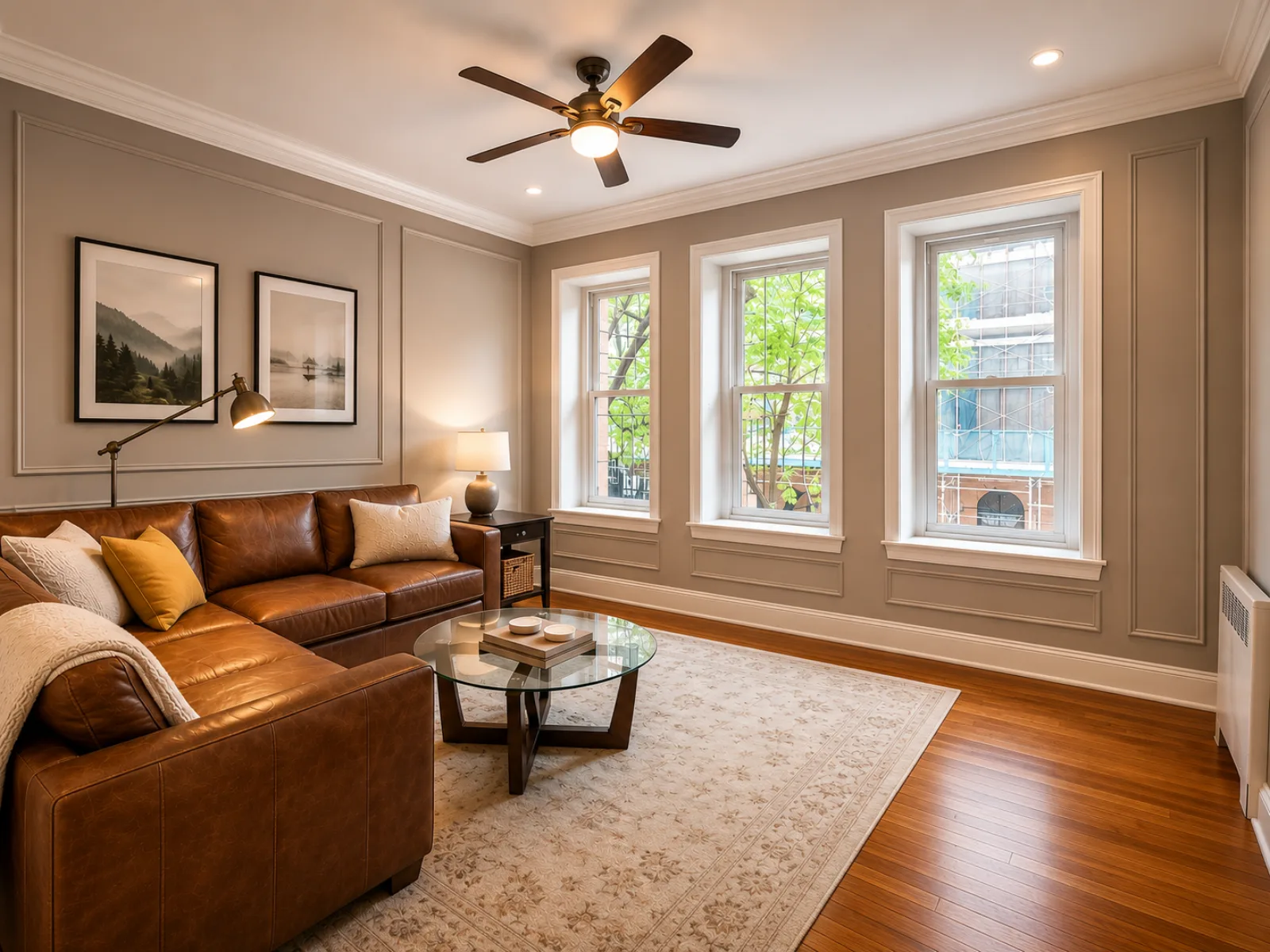
Most older NYC houses cool the same way they did decades ago: window units in summer, radiators in winter. Adding central air is one of the most requested upgrades in a brownstone or townhouse renovation, and the challenge is never the equipment. It is routing air through a 19th-century house without cutting up the plaster, moldings, and ceilings that make it worth owning. The right system depends on how much of the house is opening up, how many floors you are serving, and where the outdoor equipment can live.
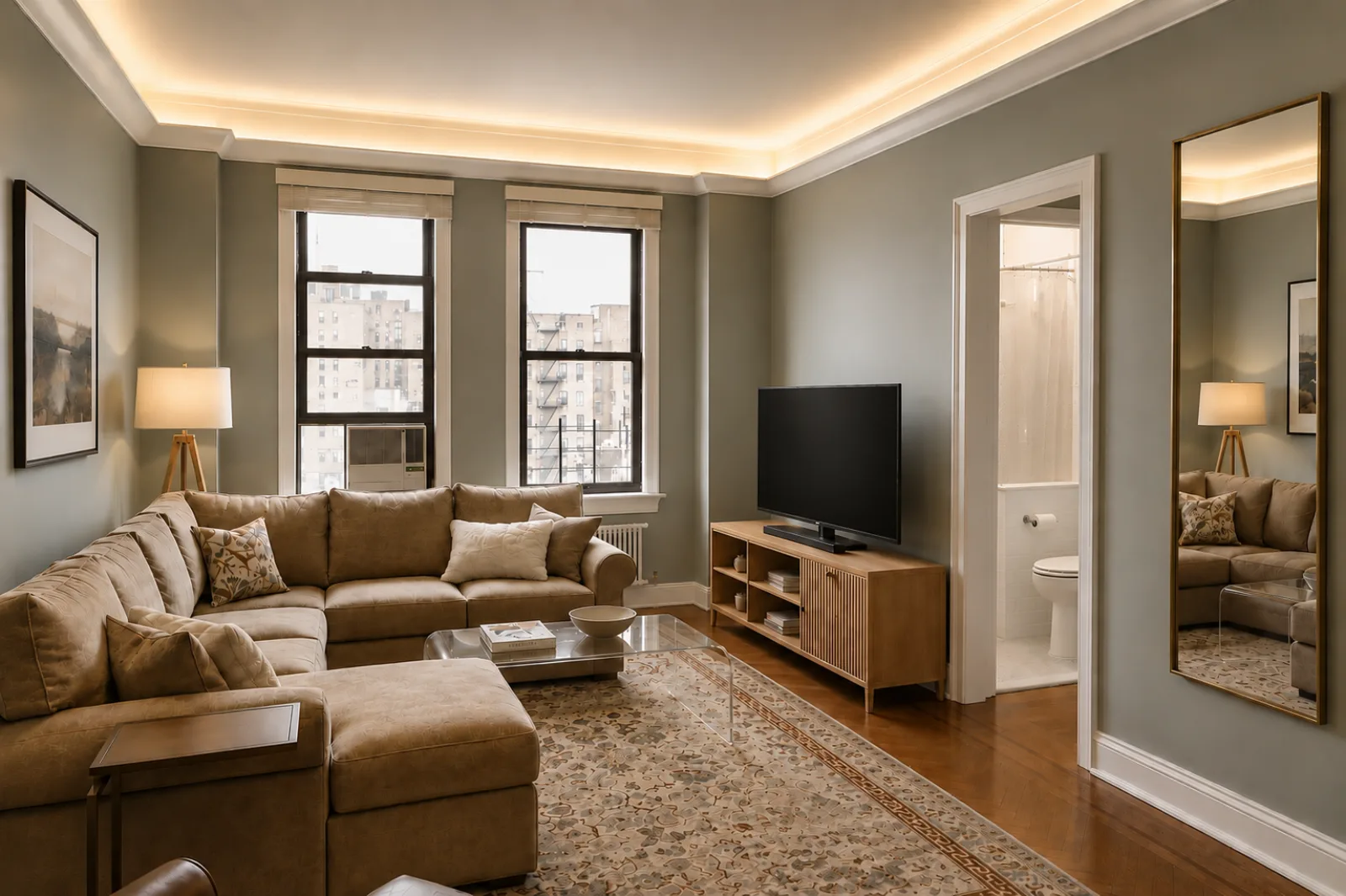
Start With What the House Already Has
Nearly every brownstone heats with a boiler feeding steam or hot-water radiators. You can keep that heat and add cooling only, or move to heat pumps that do both jobs. Before choosing, we look at four things: whether walls and ceilings are coming down anyway, ceiling heights on each floor (parlor floors are generous, upper floors less so), usable space in closets, the cellar, and above the top floor, and whether the roof or yard can take a condenser.
Your Options, From Least to Most Invasive
- Ductless wall-mounted mini-splits. An indoor head in each room, linked to an outdoor unit by a small refrigerant line. Efficient, zoned room by room, and the lightest construction footprint, but the heads are visible on the wall.
- High-velocity small-duct systems. Flexible two-inch tubing snakes through closets, floor cavities, and the space above the top floor to small round outlets. This is the classic preservation choice, because it threads through an old house with minimal demolition.
- Concealed ducted mini-splits. Slim air handlers in a closet or hallway soffit serve a floor or a group of rooms through short ducts and linear grilles. Quiet and efficient, and they heat as well as cool, but each floor needs a little space for the unit.
- Conventional central air. Full-size ducts and a central air handler. Practical when floors are being gutted and closets can become duct chases, and the most disruptive option for a historic interior.
Heat Pumps: One System for Both Seasons
Modern cold-climate heat pumps can carry an NYC house through winter, which turns a cooling project into a heating upgrade too. They pair naturally with the insulation and air sealing that happen when walls are open. Many owners keep the boiler and radiators as backup for the first few winters and decide later. Utility programs such as NYS Clean Heat, offered through Con Edison, have helped offset the cost of heat pumps; terms change, so we check current incentives during design.
Where the Equipment Goes
- The roof. The usual home for condensers. It needs structural support, properly flashed penetrations, and in a historic district, placement out of sight from the street to keep Landmarks review simple.
- The yard. Workable when the roof is not, with attention to noise. NYC's noise code limits outdoor equipment, and a condenser outside a neighbor's bedroom window is a relationship you will live with.
- Line sets and drains. Refrigerant lines and condensate drains need planned routes through chases, closets, or the rear facade, decided in design rather than improvised on site.
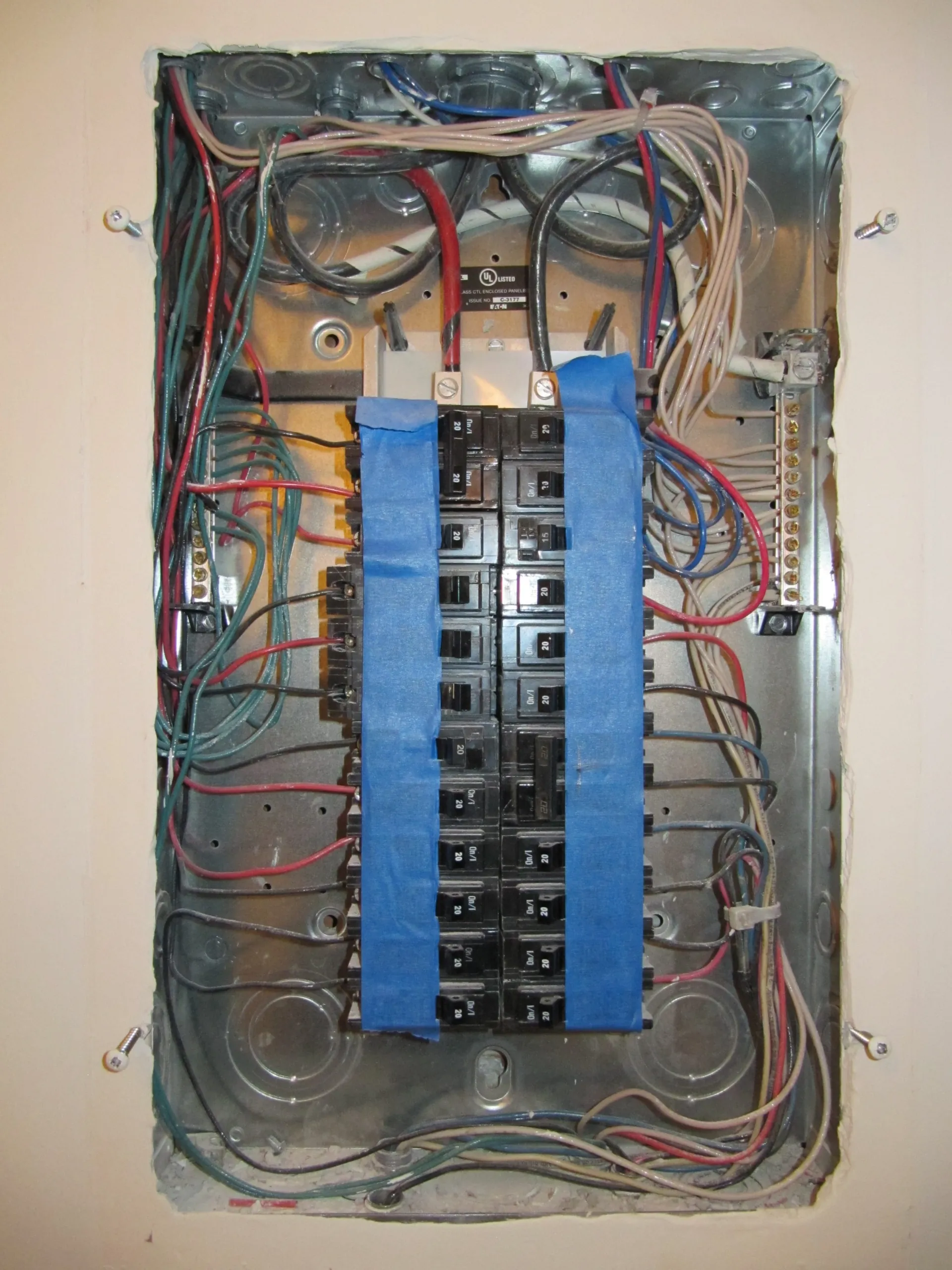
- Electrical capacity. Older houses often run on 60 or 100 amp service. Cooling, induction cooking, and modern appliances usually mean a new panel and sometimes a service upgrade through Con Edison.
Plan It Into the Renovation, Not After It
The best time to add central air is during a broader renovation, when chases can be planned alongside new plumbing and wiring, access panels can be placed where a technician will actually reach them, and plaster can be restored once rather than patched twice. Zoning by floor, with a thermostat for each, keeps upper bedrooms comfortable without overcooling the garden level. Our brownstone renovation guide covers how mechanical work fits around preservation, and our smart home guide covers the controls worth wiring in while walls are open.
How Knockout Renovation Handles HVAC in Older Homes
We have spent three decades fitting modern systems into Manhattan and Brooklyn houses and prewar apartments. Our design-build team coordinates the load calculation, system selection, licensed mechanical and electrical trades, Landmarks and DOB filings, and the finish work that makes it all disappear, under one fixed price and a 7-year warranty. If you are planning a brownstone or townhouse renovation, cooling is a conversation to have in the first design meeting, not the last.
Frequently Asked Questions
Can you add central air to a brownstone without ruining the moldings?
Yes. High-velocity small-duct systems run flexible two-inch tubing through closets, floor cavities, and the space above the top floor, ending in small round outlets, so original plaster and moldings stay intact. Concealed ducted mini-splits tucked into closets and hallway soffits are the other preservation-friendly route.
Is a mini-split or a high-velocity system better for a townhouse?
It depends on the house and the scope. High-velocity systems hide almost completely and suit houses where walls and ceilings are staying. Ducted mini-splits are quieter and more efficient, and they also heat, but they need soffit or closet space on each floor. Ductless wall units are the least invasive option when visible indoor heads are acceptable.
Can a heat pump replace my boiler and radiators?
Often, yes. Cold-climate heat pumps can heat an NYC house through winter, especially after insulation and air sealing. Many owners keep the boiler and radiators as backup at first, then decide later. We size the system around a room-by-room load calculation, not a rule of thumb.
Do I need landmarks approval for a rooftop condenser?
In a historic district, rooftop and rear-yard equipment falls under Landmarks Preservation Commission review, and equipment visible from the street draws the most scrutiny. Placing condensers where they cannot be seen from the sidewalk usually keeps the approval simple and staff-level.
Will adding central air require an electrical upgrade?
Frequently. Many older houses still run on 60 or 100 amp service, which leaves little room for cooling, induction cooking, and modern appliances. A new panel, and sometimes a service upgrade through Con Edison, is often the first line item, and the utility's lead time belongs in the schedule.