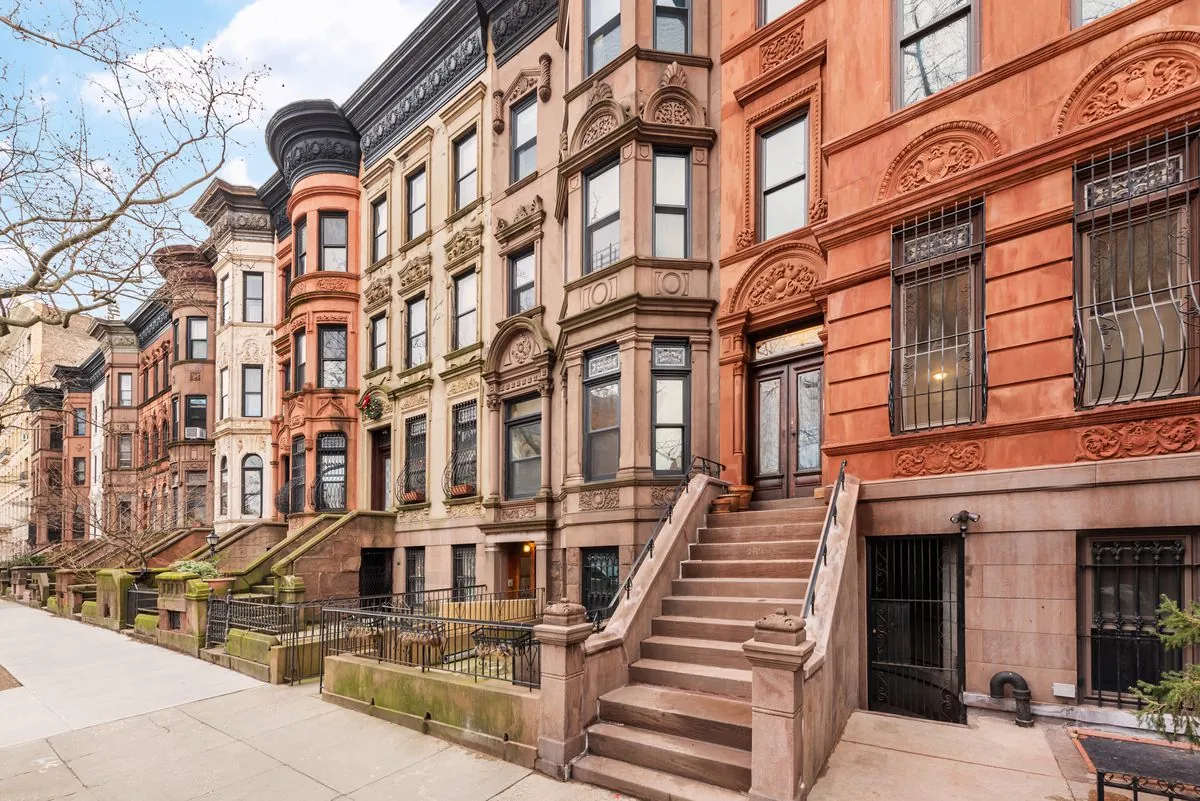
New York City brownstones are among the most coveted homes in the country. Their grand proportions, handcrafted details, and distinctive streetscape presence make them irreplaceable pieces of architectural heritage. But owning a brownstone also means living with the consequences of a building that is 100 to 150 years old: outdated mechanical systems, inefficient layouts, and maintenance demands that never seem to end. The challenge of a brownstone renovation is modernizing the home for 21st-century living while preserving the character that makes it special. After more than 30 years of renovating brownstones across Brooklyn, Manhattan, and Queens, here is what we have learned about doing it well.
Preserving Historic Details
The defining features of a brownstone, ornate plaster moldings, carved wood mantels, original pocket doors, stained glass transoms, and decorative newel posts, are the elements that give these homes their soul. Once removed, they are nearly impossible to replicate at any reasonable cost. A skilled renovation team identifies and protects these elements from the very start of the project.
Plaster moldings that have cracked or deteriorated can be repaired by specialists who create molds of the existing profiles and cast replacements in matching plaster. Original hardwood floors can be refinished rather than replaced, preserving the patina and character of century-old wood. Mantels and pocket doors can be restored, stripped of old paint, and refinished to showcase their original craftsmanship.
The key is identifying what is worth saving before demolition begins. We conduct a detailed pre-construction walkthrough specifically focused on historic elements, photographing and cataloging every feature that should be preserved, restored, or carefully removed and reinstalled.
Multi-Floor Coordination
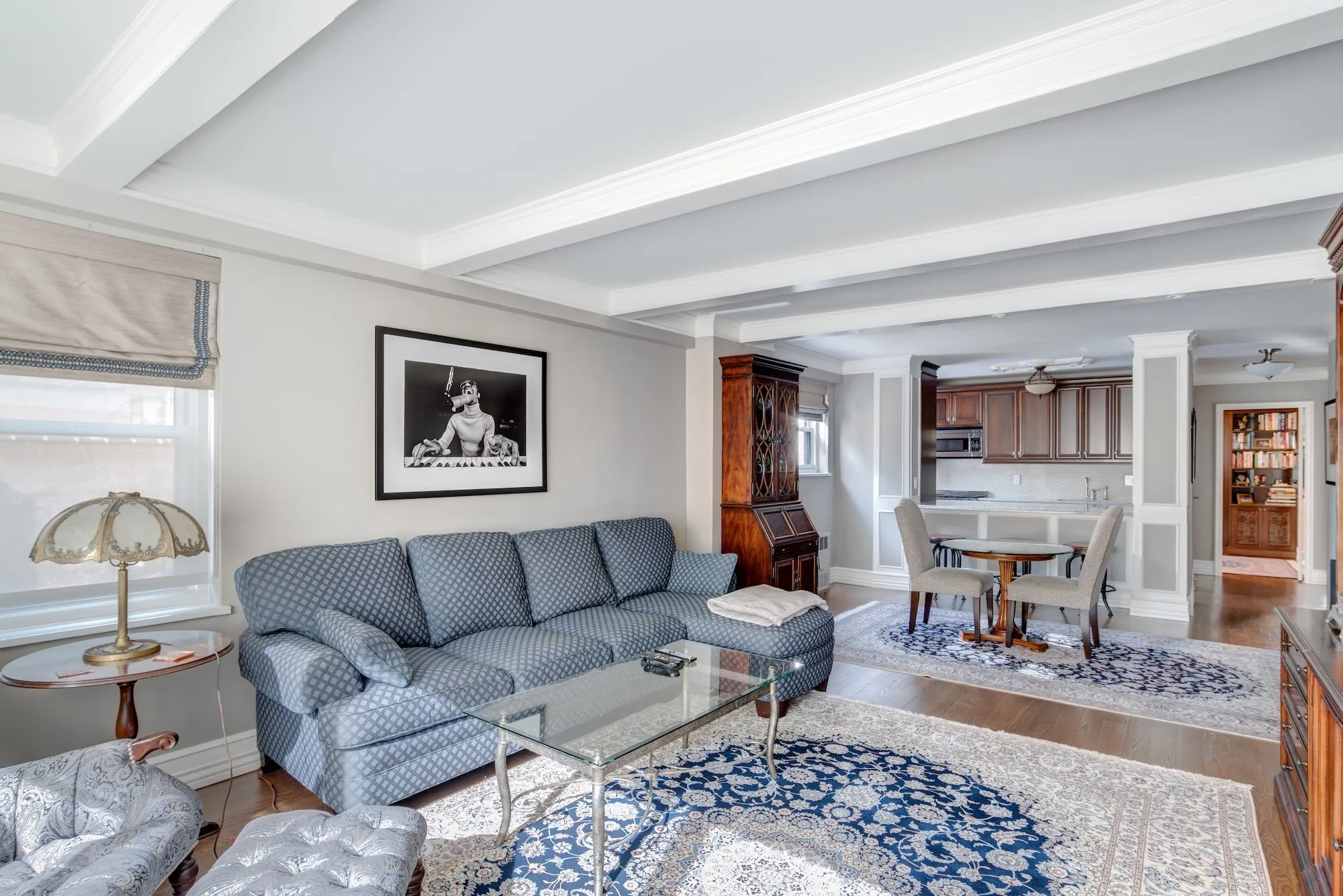
Unlike apartment renovations that typically involve a single floor, brownstone projects often span three to five levels, from the cellar through the parlor floor, upper floors, and roof. This creates unique challenges in sequencing work, managing material flow through narrow staircases, and coordinating trades across multiple floors simultaneously.
Mechanical systems, plumbing stacks, electrical risers, and HVAC ductwork, run vertically through the entire building. Modifying any of these on one floor can affect every floor above and below. A complete renovation plan accounts for the entire building as a system, even if only certain floors are being renovated now. This prevents the common problem of renovating the parlor floor beautifully only to discover that the plumbing changes made there have created problems on the floor above.
We create a comprehensive construction schedule that sequences work floor by floor, allowing our teams to move efficiently through the building while minimizing disruption if homeowners are living in a portion of the home during construction.
Landmark Compliance
Many brownstone neighborhoods in NYC are designated historic districts regulated by the Landmarks Preservation Commission (LPC). If your brownstone is in a landmarked district, any work visible from the public right-of-way requires LPC approval before you can obtain DOB permits. This includes window replacements, facade repairs, stoop modifications, front door changes, cornice work, and rooftop additions.
The LPC review process adds time to your project, typically four to eight weeks for staff-level approvals and longer for full commission hearings. Applications require detailed drawings, material specifications, and sometimes photo documentation of the existing conditions and neighboring buildings.
Interior work is generally not regulated by LPC, but there are exceptions for properties that are individually landmarked or have designated interior landmarks. Our team has extensive experience navigating the LPC process and can advise you on what approvals your specific project requires.
Plumbing and Electrical Upgrades
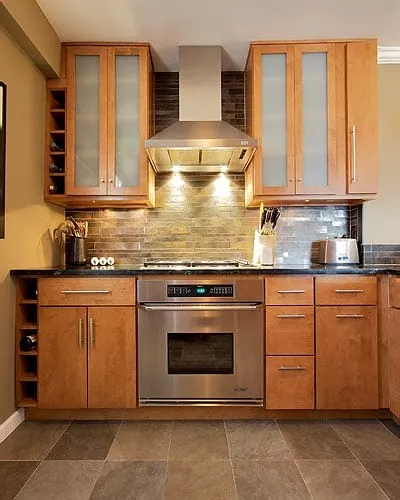
The mechanical systems in a 19th-century brownstone are often a patchwork of original infrastructure and decades of incremental upgrades. Cast-iron drain pipes may be corroded or cracked. Galvanized water supply lines are likely corroded and restricting flow. Electrical wiring may include a mix of original knob-and-tube, mid-century BX cable, and more recent Romex, none of which was designed to handle the electrical demands of a modern household.
Plumbing
A full plumbing upgrade in a brownstone typically involves replacing all supply lines with copper or PEX, replacing cast-iron drain lines with new cast iron or PVC (depending on code and building requirements), and installing new fixtures throughout. If the brownstone has a single water service from the street, upgrading to a larger line may be necessary to support multiple modern bathrooms. A new water heater, either a high-efficiency tank or tankless system, is almost always part of a comprehensive renovation.
Electrical
Most brownstones need a complete electrical service upgrade. A 100-amp service that was adequate when the building was a rooming house is woefully insufficient for a modern single-family home with central air conditioning, a gourmet kitchen, and home office equipment. We typically upgrade to 200-amp or 400-amp service, install a new panel with dedicated circuits for every major appliance and room, and wire the entire building with modern cabling that supports today's electrical loads and data needs.
Basement Conversions
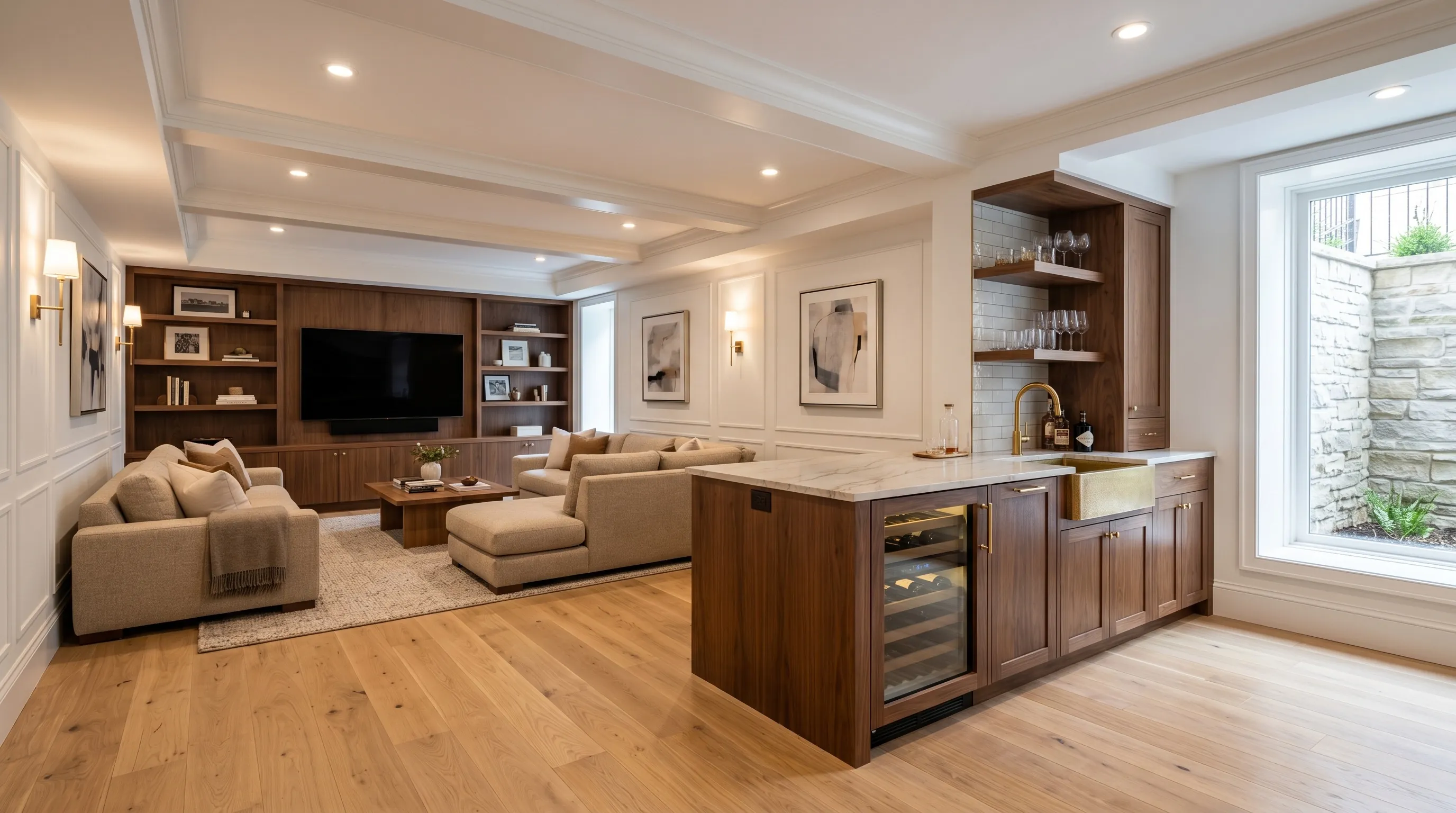
Converting a brownstone basement or cellar into usable living space is one of the most popular renovation projects in the city. A finished basement can serve as a family room, home gym, media room, guest suite, or rental unit, adding significant square footage and value to the home.
Key considerations for basement conversions include:
- Ceiling height: Most brownstone basements have ceiling heights of seven feet or less. Underpinning, the process of lowering the foundation to increase ceiling height, is expensive (typically $200 to $500 per square foot) but may be necessary to create a comfortable space that meets building code for habitable rooms.
- Waterproofing: Below-grade spaces in NYC are prone to moisture infiltration. Interior waterproofing systems, exterior membrane application, and proper drainage are essential to creating a dry, healthy environment.
- Egress: Building code requires habitable rooms to have adequate egress windows or doors. Existing basement windows may need to be enlarged, or new window wells may need to be created, subject to LPC approval if applicable.
- Mechanical space: The basement typically houses the boiler, water heater, electrical panel, and other mechanical equipment. A smart renovation plan accommodates this equipment while maximizing usable living space.
Roof Deck Additions
Adding a roof deck to a brownstone provides valuable outdoor living space in a city where private outdoor areas are rare and highly prized. A well-designed roof deck can include built-in planters, outdoor kitchen areas, pergolas for shade, and integrated lighting for evening use.
However, roof deck additions come with significant regulatory requirements. In landmarked districts, the LPC must approve the design and may restrict the size, height, and visibility of the deck from street level. DOB requires structural analysis to confirm the roof can support the additional load, and permits are required for any structural modifications, plumbing (for outdoor kitchens or irrigation), and electrical work.
Waterproofing the roof membrane beneath the deck is critical, as any leak will damage the interior of the top floor. We use pedestal paver systems that elevate the deck surface above the membrane, allowing water to drain freely and providing access for future membrane inspection and maintenance.
Bringing It All Together
A brownstone renovation is not just a construction project. It is an act of stewardship, preserving a piece of New York City's architectural legacy while adapting it for modern life. The complexity of these projects, spanning multiple floors, navigating landmark regulations, upgrading century-old systems, and balancing preservation with modernization, demands a team with deep experience in this specific building type.
Knockout Renovation has been renovating brownstones across the city for over three decades. We understand the unique structural systems, regulatory requirements, and design sensibilities that these buildings demand. Whether you are planning a single-floor update or a comprehensive whole-house renovation, we would be honored to help you bring your brownstone into the modern era while honoring the craftsmanship that makes it extraordinary.