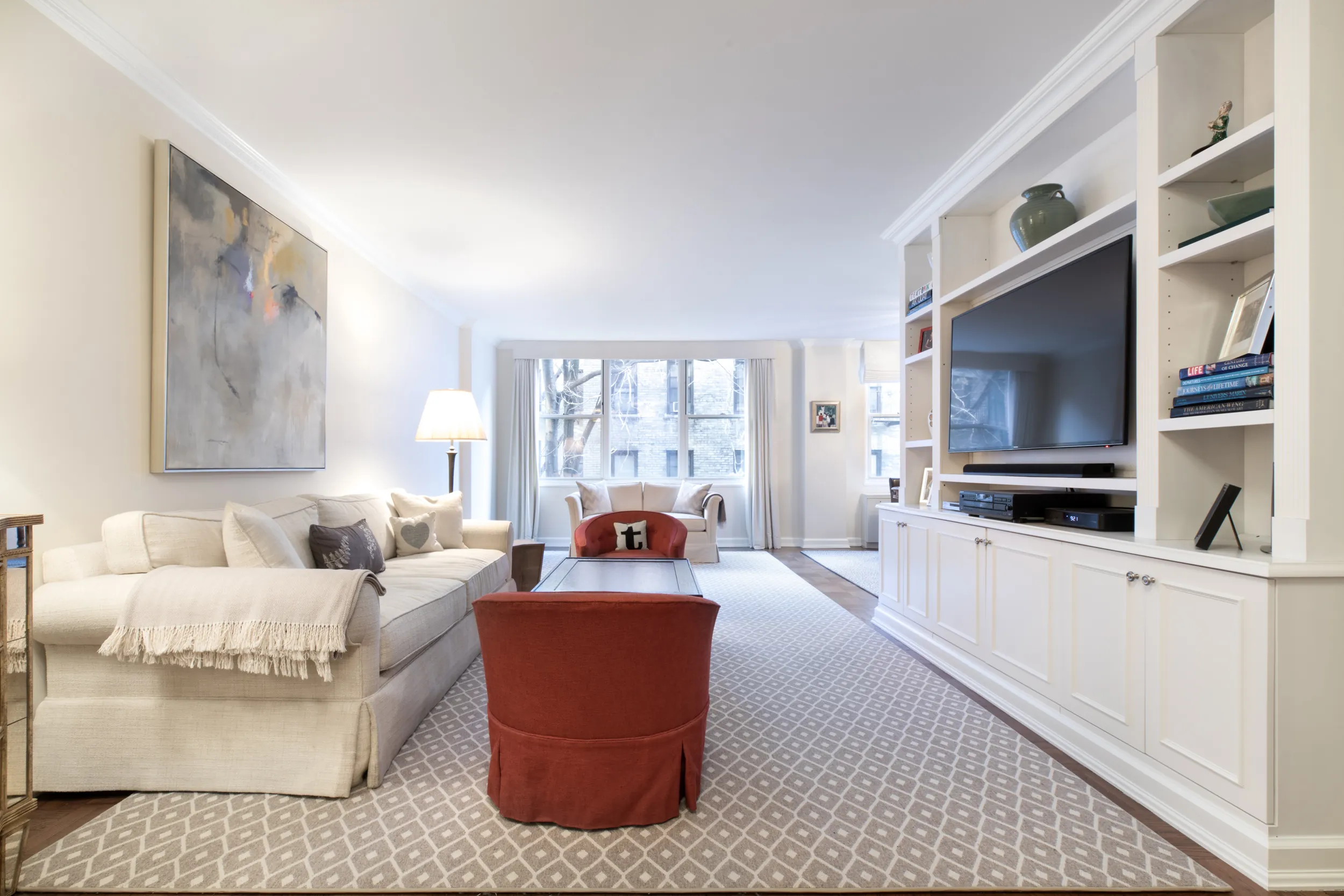
A full apartment renovation in New York City typically takes 4 to 9 months from the first design meeting to the final walkthrough — roughly 2 to 4 months of design, approvals, and permitting, followed by 3 to 5 months of construction. A gut renovation of a larger prewar apartment, or a project that combines two units into one, can run 9 to 14 months. The single biggest variable is rarely the construction itself — it is the building's approval process and the city's permitting, both of which are unique to renovating in NYC.
Below is the timeline we walk every Knockout Renovation client through, broken into the five phases of a Manhattan or Brooklyn apartment renovation, with realistic durations for each.
The Short Answer: Typical Timelines by Project Type
- Single room (kitchen or bathroom): 6 to 12 weeks of construction, plus 4 to 8 weeks of design and approvals.
- Multi-room renovation: 3 to 4 months of construction, plus 2 to 3 months of design and approvals.
- Full apartment / gut renovation: 4 to 6 months of construction, plus 2 to 4 months of design and approvals.
- Prewar gut or two-apartment combination: 6 to 9 months of construction, plus 3 to 5 months of design and approvals.
Phase 1: Design and Planning (4 to 10 weeks)
Everything downstream depends on the quality of this phase. It begins with an in-home consultation and measurements, moves through space planning and a confirmed scope of work, and ends with a complete set of construction drawings, finish selections, and a fixed price. For a single room this can take a month; for a full apartment with custom millwork and detailed finishes, plan on eight to ten weeks.
The most important thing you can do during design is make decisions early. Selecting cabinetry, stone, tile, plumbing fixtures, and lighting before construction begins is what allows long-lead items to be ordered on time and keeps the project from stalling later. This front-loading of decisions is one of the core reasons the design-build approach finishes projects faster than the traditional architect-then-bid model.
Phase 2: Board Approval and Permits (4 to 12 weeks)
This is the phase that surprises homeowners new to NYC renovation. Almost every co-op and most condos require an alteration agreement — a formal application package with stamped architectural plans, contractor licenses, insurance certificates, and sometimes an engineer's review — before any work can begin. Boards typically take four to eight weeks to respond to a complete package, and some only meet monthly.
In parallel, most full renovations require permits from the NYC Department of Buildings (DOB). Work involving plumbing, gas, or layout changes must be filed by a licensed professional, and gas work in particular has become significantly slower in recent years due to mandatory pressure testing and Con Edison coordination. We file board and DOB approvals concurrently so the two timelines overlap rather than stack. For a deeper look at this process, see our guide to co-op and condo board approval.
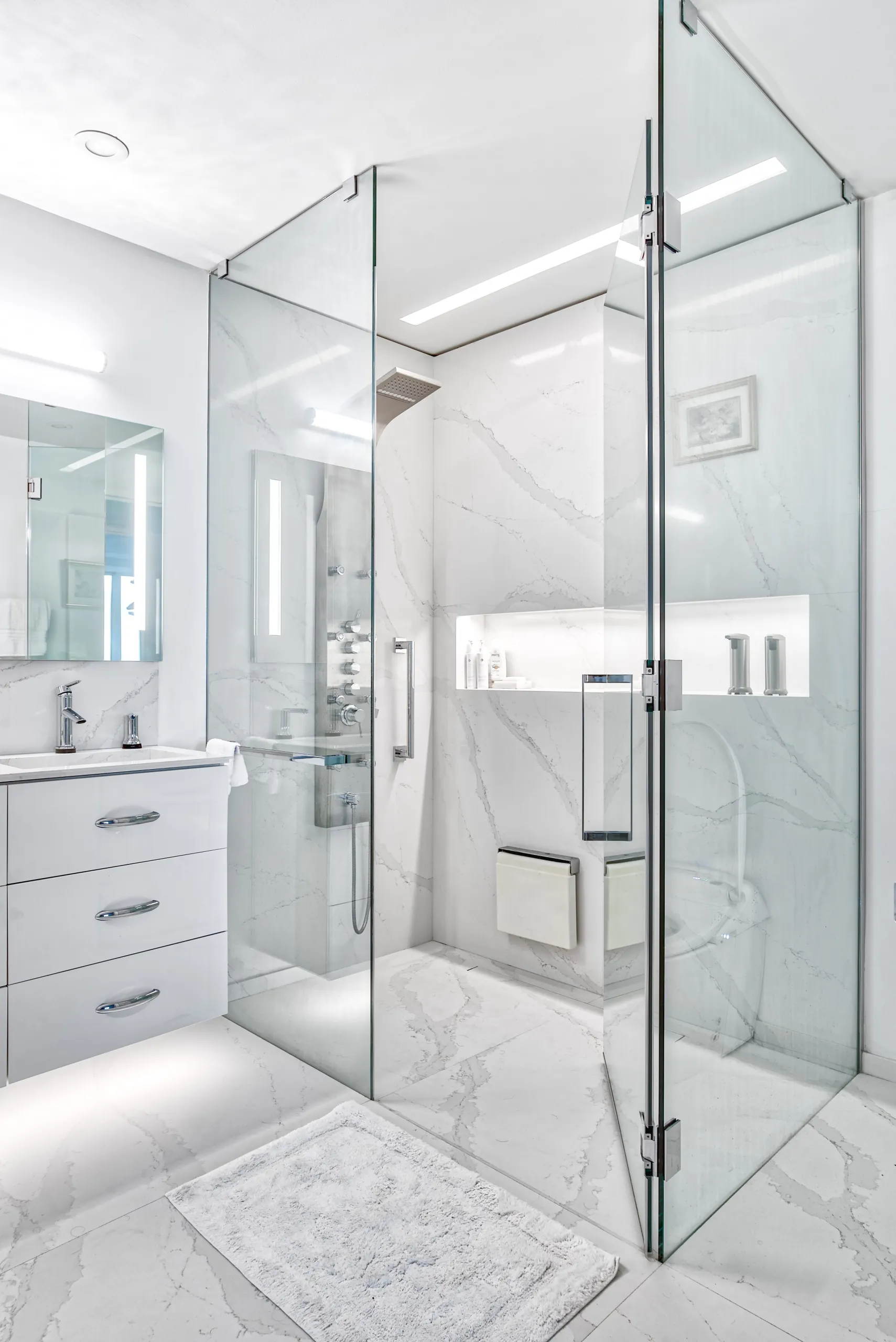
Phase 3: Demolition and Rough-Ins (3 to 8 weeks)
Once approvals are in hand, construction starts with protection of common areas and demolition. In older buildings, demolition frequently uncovers conditions hidden behind plaster — out-of-date wiring, cast-iron waste lines, or unexpected structural framing — which is why we build a contingency into every realistic schedule. After demolition comes the rough-in stage: new plumbing, electrical, HVAC, and framing, each of which may require its own inspection before walls are closed.
Prewar buildings on the Upper West Side, Upper East Side, and in Brooklyn Heights add time here. Plaster-and-lath walls, thick masonry, and the careful preservation of original moldings all slow the pace compared to a newer condo with sheetrock partitions — a trade-off we cover in our prewar apartment renovation guide.
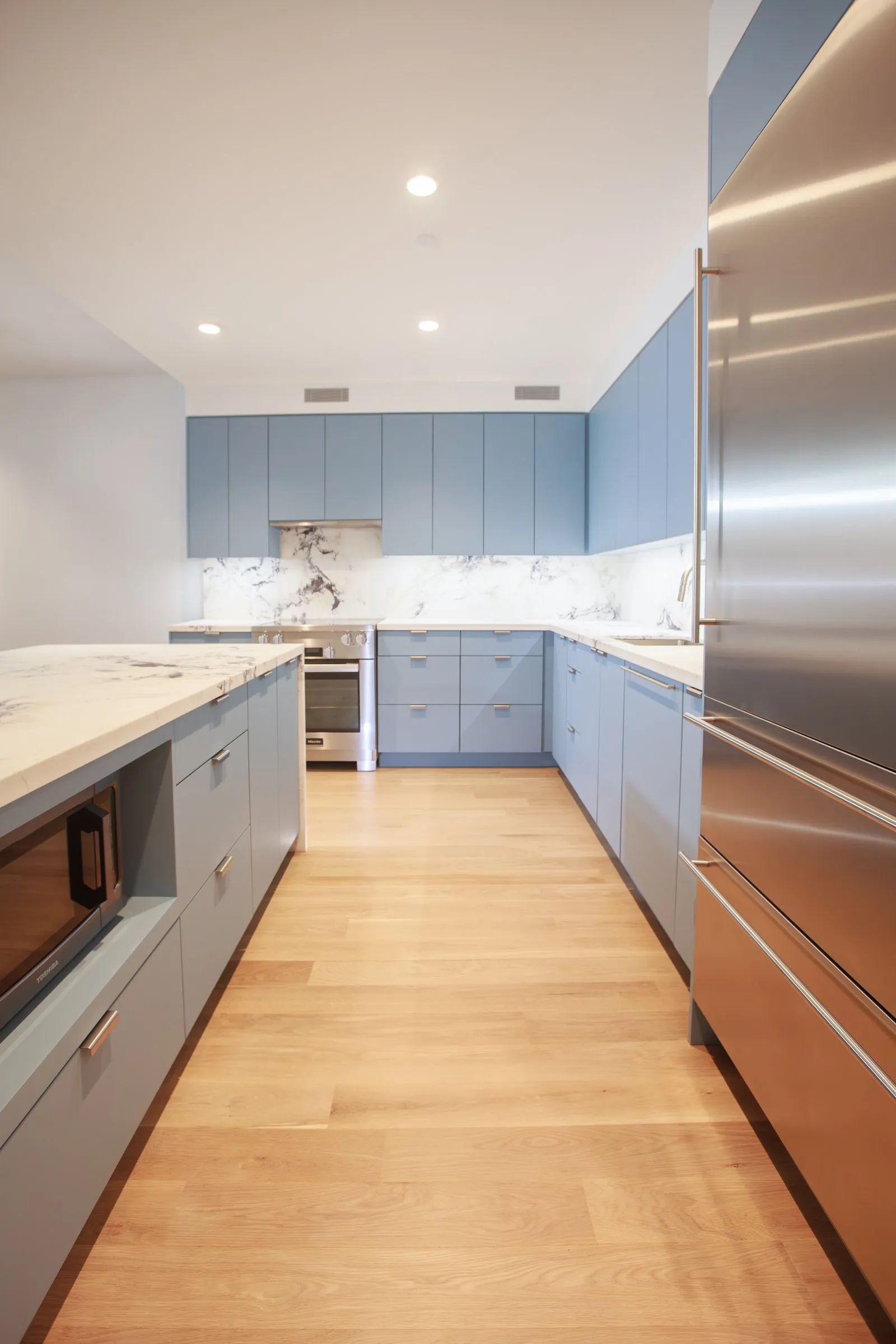
Phase 4: Finishes (4 to 10 weeks)
This is the longest construction phase and the one clients feel most, because it is where the apartment visibly comes together: tile and stone, cabinetry installation, countertops (which are templated only after cabinets are set, then fabricated over one to three weeks), flooring, millwork, painting, fixtures, and appliances. Finishes are also where long-lead ordering pays off — a custom vanity or imported slab that was ordered during design arrives on time, while one ordered late can hold up an otherwise finished room.
Phase 5: Punch List and Closeout (1 to 3 weeks)
The final phase is the detailed walkthrough, the punch list of small corrections, final cleaning, and the closeout of permits with a signed-off inspection. In many buildings, the alteration agreement requires a final sign-off from the building's architect or managing agent before the project is formally complete. We do not consider a project finished until every punch list item is resolved and the building has closed out the file.
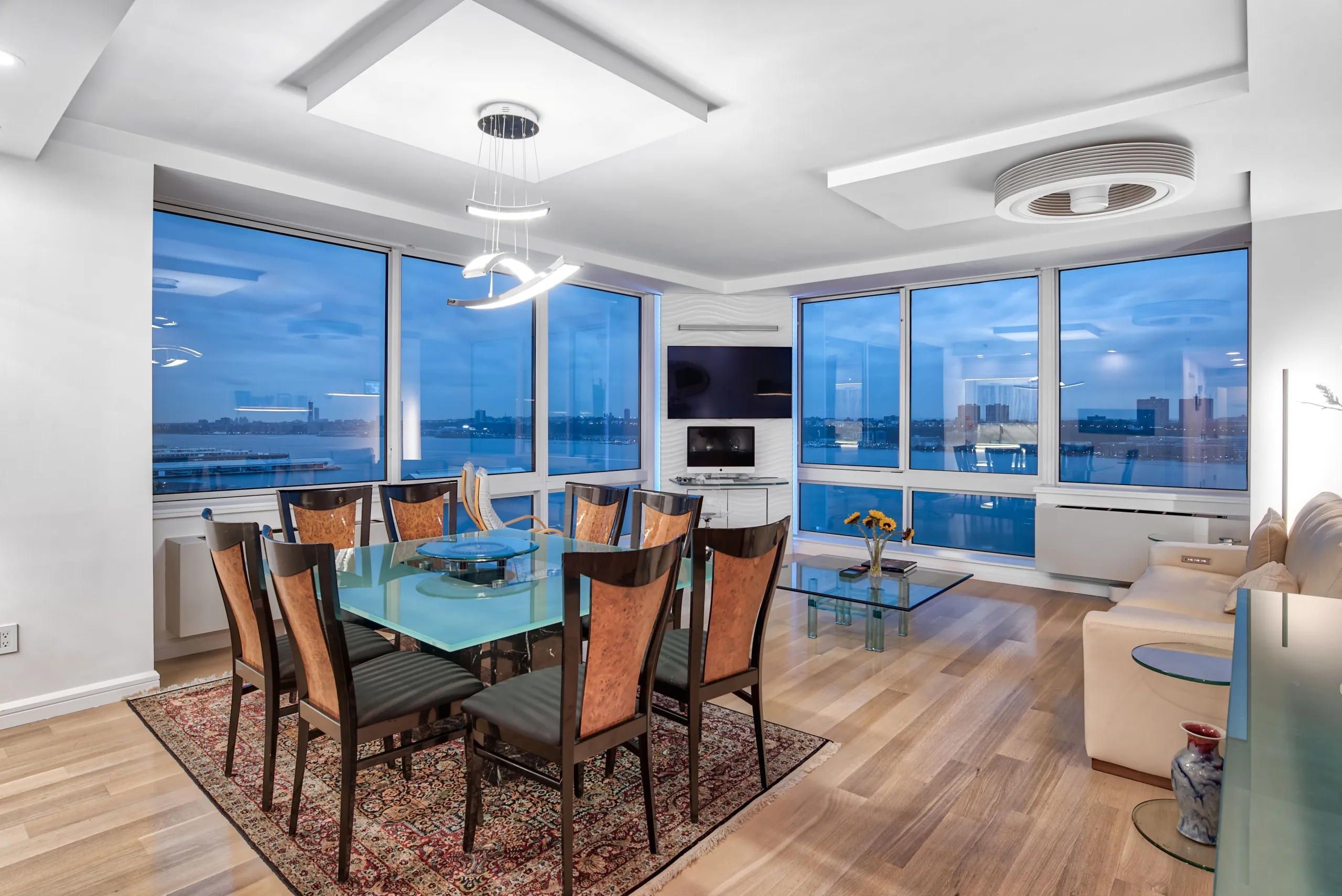
What Makes NYC Timelines Longer Than the Suburbs
A renovation that might take three months in a suburban house routinely takes five or six in a Manhattan apartment, for reasons that have nothing to do with the work itself:
- Building work hours. Most co-ops and condos restrict construction to weekday business hours, often 9 a.m. to 4 p.m., with no weekends. That alone can add weeks compared to unrestricted access.
- Elevator scheduling and material delivery. A single service elevator shared by an entire building limits how quickly material comes up and debris goes down, and oversized items like stone slabs require careful, pre-measured handling.
- Approvals and inspections. Board review, DOB permits, and staged inspections all introduce waiting periods outside the contractor's control.
- Landmark and prewar constraints. Landmarked façades, protected lobbies, and original detailing all require extra care and, at times, additional approvals.
How to Keep Your Renovation on Schedule
After more than 30 years of renovating apartments across Manhattan and Brooklyn, we have found that the projects that finish on time share a few habits. Make your finish selections during design, not during construction. Approve the plan and resist mid-project changes, which are the most common cause of self-inflicted delay — a theme in our roundup of the top renovation problems and how to avoid them. Work with a single team that manages design, approvals, and construction together, so nothing falls into the gap between an architect and a separate contractor. And build in a realistic contingency for the surprises that older NYC buildings reliably deliver.
At Knockout Renovation, we give every client a phase-by-phase schedule before work begins and manage the entire process — design, board approval, permitting, and construction — under one roof. If you are planning a renovation and want a realistic timeline for your specific apartment and building, we would be glad to walk you through it.
Frequently Asked Questions
How long does a full apartment renovation take in NYC?
A full apartment renovation in NYC typically takes 4 to 9 months from the first design meeting to the final walkthrough — about 2 to 4 months for design, board approval, and permitting, followed by 3 to 5 months of construction. A larger prewar gut renovation or a two-apartment combination can run 9 to 14 months.
How long does co-op or condo board approval take?
Once you submit a complete alteration agreement package, most NYC co-op and condo boards return a decision in 4 to 8 weeks. Buildings that require an outside engineer or architect to review plans, or that only convene the board monthly, can take longer. Submitting a complete, professionally prepared package is the single best way to avoid a second round of review.
Can I live in my apartment during the renovation?
For a full gut renovation, almost never — there will be stretches with no functioning kitchen, bathroom, water, or heat, and demolition generates dust that is impractical to live with. For a smaller single-room or cosmetic project, staying is sometimes possible, though most NYC buildings restrict work to weekday business hours, which extends the schedule.
What causes the most renovation delays in NYC?
The most common delays are long-lead materials ordered too late (custom cabinetry, stone slabs, and imported tile can take 8 to 16 weeks), incomplete board packages that trigger a second review, restricted building work hours, and change orders made mid-construction. Ordering finishes during the design phase and approving the plan before demolition prevents most of them.
When should I start planning if I want to be finished by a specific date?
Work backward and give yourself 6 to 12 months. For a standard full apartment renovation, begin design roughly 8 to 9 months before your target completion date; for a prewar gut or apartment combination, begin 12 to 14 months out to absorb board approval and long-lead ordering without compressing construction.