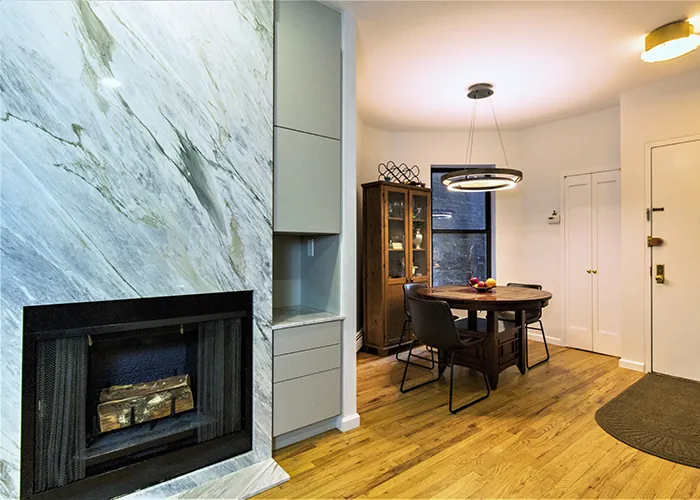
Combining two apartments into one is one of the most transformative renovations you can undertake in New York City. Whether you have purchased the unit next door, inherited an adjacent apartment, or bought two units simultaneously, a well-executed combination creates a home that feels custom-built rather than cobbled together. But the process is complex, involving board politics, structural engineering, city permits, and intricate design work. After completing dozens of apartment combinations across Manhattan, Brooklyn, and Queens, here is what we have learned about doing it right.
Step 1: Co-op or Condo Board Approval
Before you touch a wall, you need your building's approval. In a co-op, this means submitting an alteration agreement to the board, which typically includes architectural plans, an engineering report, proof of insurance, a construction schedule, and a detailed scope of work. Many co-op boards require a refundable security deposit, often $10,000 to $25,000, to cover potential damage to common areas during construction.
Condo combinations follow a similar process through the condo association, though they tend to be somewhat less restrictive. In either case, your building will likely require you to use a licensed architect or engineer and to carry specific insurance coverage for the project.
Timeline: Board approval typically takes four to eight weeks, though some buildings are faster and others can take considerably longer, especially if the board meets infrequently or requires multiple rounds of documentation.
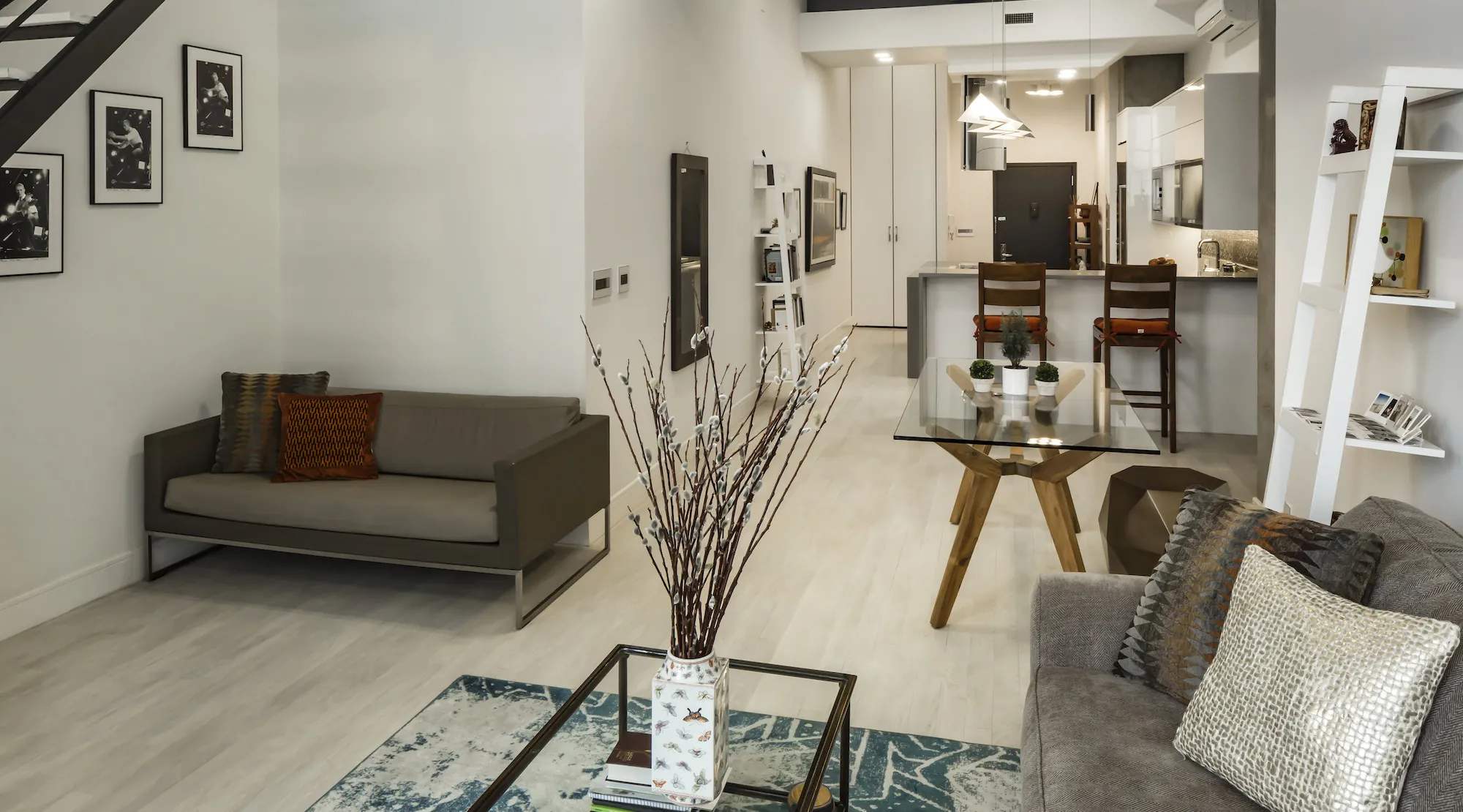
Step 2: Structural Engineering Assessment
The wall between two apartments is not always a simple partition. In many NYC buildings, particularly prewar structures, some interior walls are load-bearing, meaning they support the weight of the floors above. A licensed structural engineer must evaluate the wall you intend to remove and design any necessary steel beams or columns to carry the load.
Even non-load-bearing demising walls (the walls that separate individual apartments) often contain plumbing stacks, electrical conduit, fire sprinkler lines, or HVAC ductwork that must be relocated before the wall can come down. A thorough engineering assessment identifies all of these conditions upfront and determines what structural modifications are required.
Key point: Do not assume any wall can be removed until a structural engineer has confirmed it. We have seen projects where homeowners were told by a contractor that a wall was non-load-bearing, only to discover during demolition that it was supporting a steel beam above. This kind of surprise is dangerous and expensive.
Step 3: DOB Permits and Filings
Apartment combinations in New York City require permits from the Department of Buildings. The filing type depends on the scope of work:
- Alteration Type 2 (Alt-2): For combinations that involve removing non-load-bearing walls, relocating plumbing or electrical, and reconfiguring rooms without changing the building's use, egress, or fire safety systems.
- Alteration Type 1 (Alt-1): Required when the combination involves structural changes, such as removing a load-bearing wall and installing a steel beam, or when the work affects fire egress or sprinkler systems.
Your architect or expeditor files the plans with the DOB, responds to any examiner objections, and schedules required inspections throughout construction. In our experience, permit approval takes three to six weeks for straightforward Alt-2 filings and six to twelve weeks for more complex Alt-1 filings.
Step 4: Design Considerations
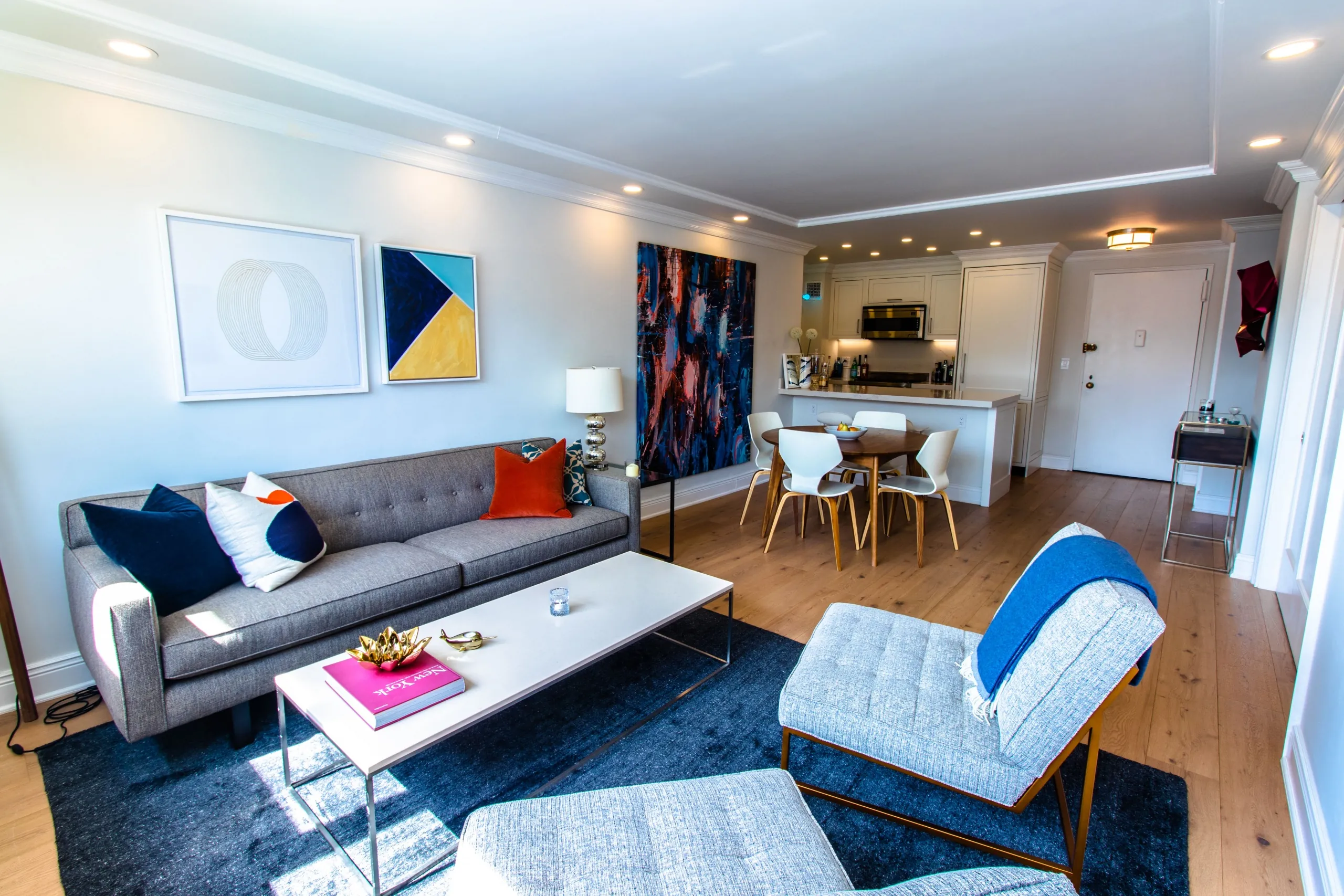
The design phase of a combination is where the magic happens, and where experience matters most. The goal is to create a unified home that feels like it was always one apartment, not two units awkwardly stitched together. Here are the key design challenges:
Creating Unified Flow
Two adjacent apartments typically have mirror-image or offset layouts. Simply removing the wall between them often creates an awkward traffic pattern or duplicated rooms. A skilled designer rethinks the entire floor plan, identifying the best placement for living areas, bedrooms, kitchens, and bathrooms based on window locations, plumbing stack positions, and how you actually want to live. The result should feel intentional, with natural circulation from room to room.
Matching Finishes and Details
Ceiling heights, molding profiles, floor levels, and door styles often differ between the two units, especially in older buildings where apartments were renovated at different times. Achieving a cohesive look means reconciling these differences. This might involve milling custom moldings to match existing profiles, leveling floors where the two units meet at slightly different heights, or extending hardwood flooring from one unit through the opening into the other.
Handling Two of Everything
Combined apartments come with duplicate kitchens, duplicate electrical panels, duplicate HVAC systems, and sometimes duplicate water heaters. Deciding which kitchen to keep, whether to consolidate electrical panels, and how to zone the combined HVAC system are all decisions that affect both budget and livability. We typically recommend keeping the kitchen that has the best window exposure and the most efficient plumbing connections, then converting the second kitchen space into a pantry, laundry room, or home office.
Step 5: Plumbing and Electrical Integration
Merging two apartments' mechanical systems is one of the most technical aspects of a combination. Each unit has its own electrical panel, and combining them may require upgrading to a larger panel or consolidating circuits. If the building provides separate meters for each unit, you will need to work with ConEd and the building to consolidate service.
Plumbing integration depends heavily on which fixtures you are keeping, adding, or relocating. If the demising wall contains a plumbing stack shared with other units in the building, that stack cannot be moved. Your design must work around it, often by concealing it within a closet or furred-out wall.
Step 6: Construction Timeline
A typical apartment combination in NYC takes 12 to 20 weeks of active construction, depending on the scope. Here is a rough breakdown:
- Demolition and structural work (2 to 4 weeks): Removing the demising wall, installing any required steel, relocating mechanical systems within the wall.
- Rough-in (3 to 5 weeks): New framing, plumbing rough-in, electrical rough-in, HVAC modifications, and any floor leveling.
- Finishes (5 to 8 weeks): Drywall, taping, painting, flooring, tile work, cabinetry installation, fixture installation, and millwork.
- Punch list and closeout (1 to 2 weeks): Final inspections, touch-ups, appliance installation, and DOB signoff.
Add four to twelve weeks of pre-construction time for design, board approval, and permits, and the total project from start to move-in typically runs six to eight months.
Why You Need a Full-Service Firm
Apartment combinations involve architecture, structural engineering, interior design, permit expediting, and complex construction, all happening simultaneously and all needing to be tightly coordinated. A fragmented team of separate professionals increases the risk of miscommunication, delays, and cost overruns.
At Knockout Renovation, we manage the entire combination process under one roof. Our architects design the unified floor plan, our engineers assess the structure, our expeditors handle permits and board filings, and our construction team builds it all. You get one point of contact, one contract, and one team accountable for delivering the home you envisioned. If you are considering combining apartments, we would be glad to walk you through the process and help you understand what is possible in your specific building.