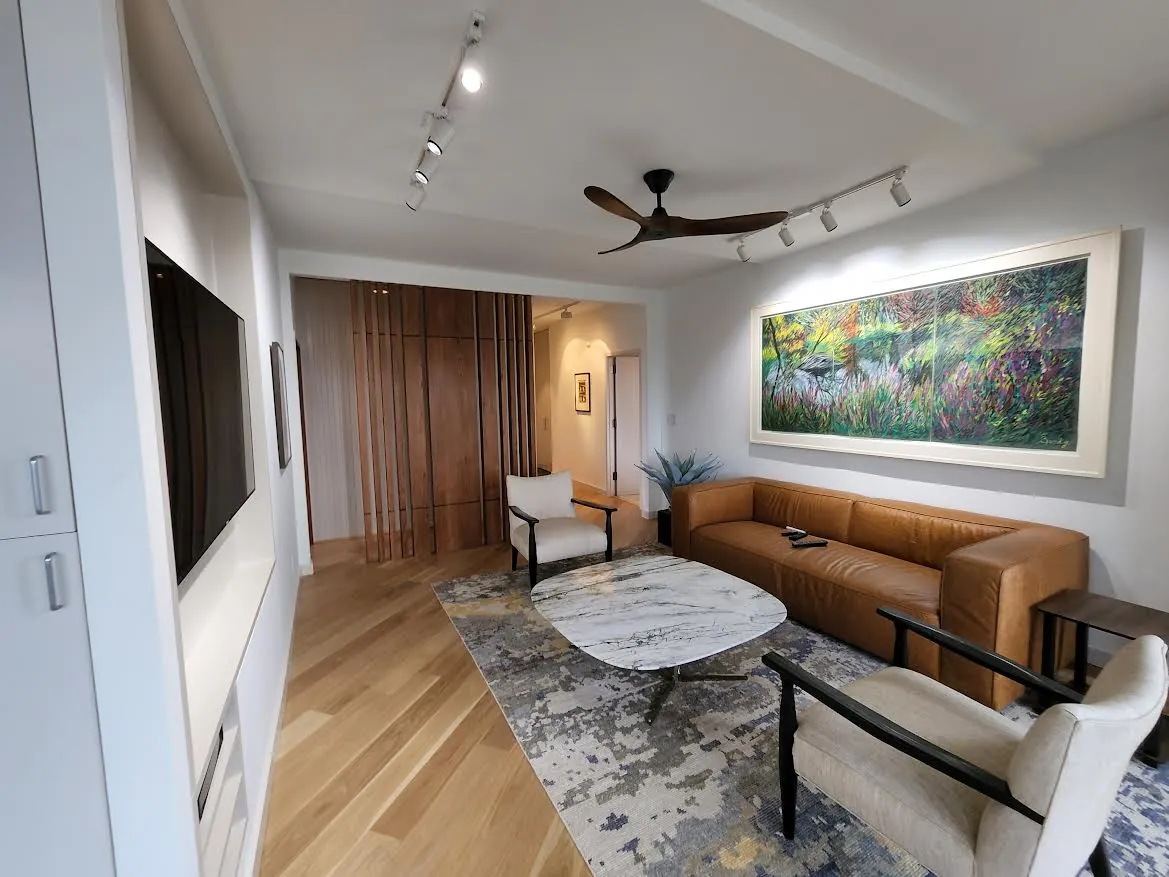
Floors are the largest single surface in your apartment and the foundation every other finish stands on, visually and literally. In New York the flooring conversation begins with a question unique to old, dense housing: what is already there, and what is it sitting on? Answer those two, and every decision that follows, refinish or replace, solid or engineered, plank or pattern, falls neatly into place.
First Decision: Restore or Replace
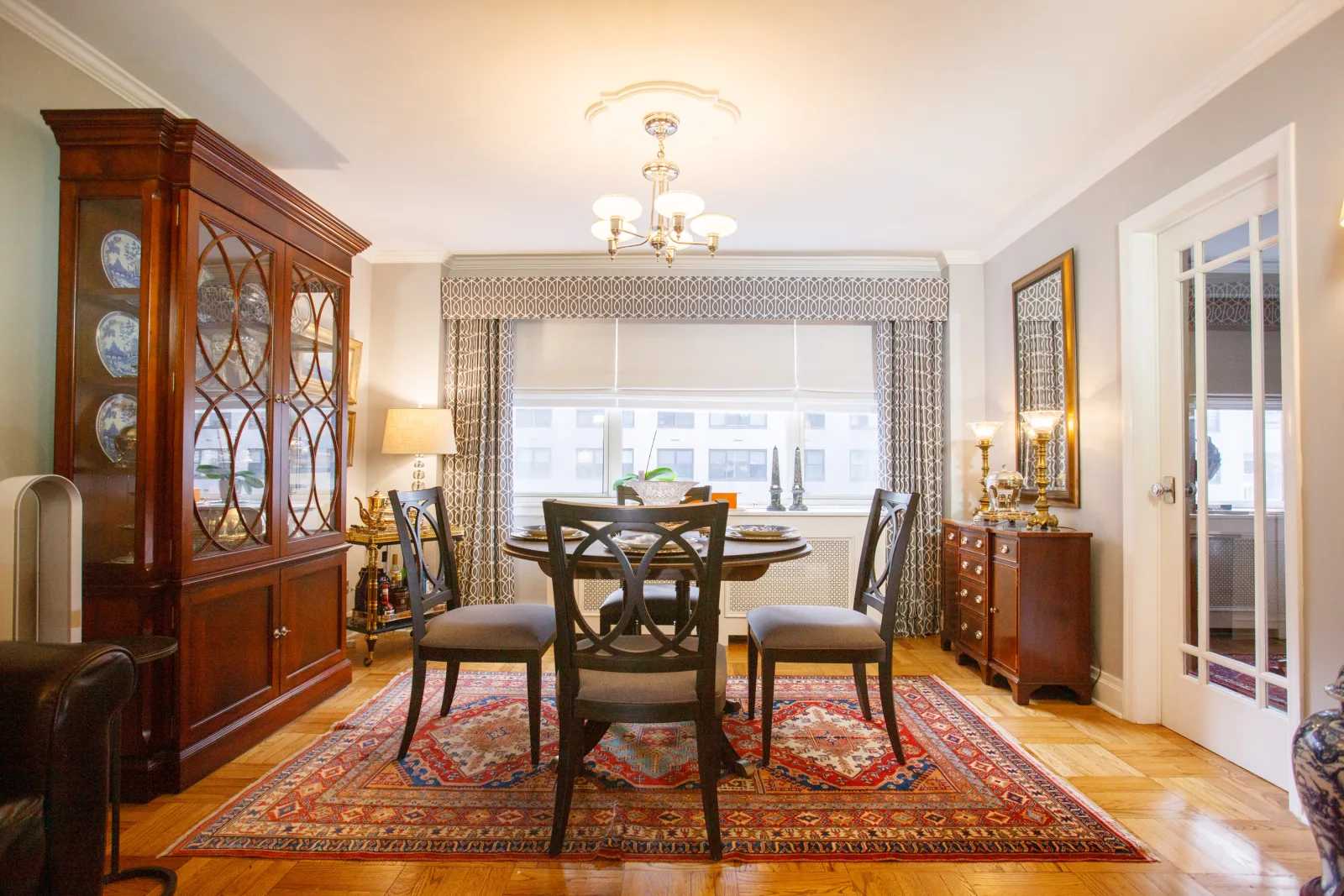
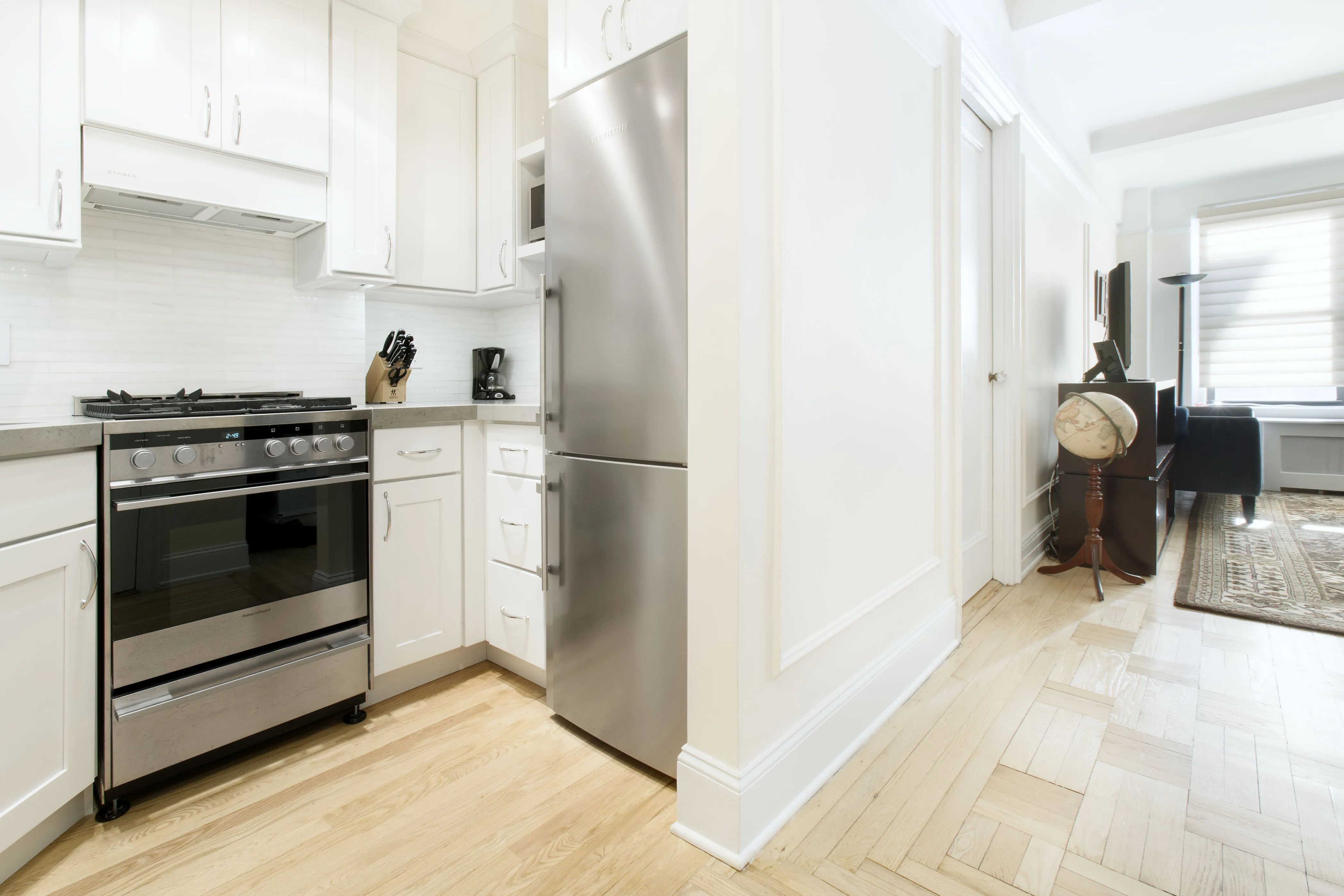
Many prewar apartments hide excellent floors under decades of finish: quarter-sawn oak strip, and in dining rooms and foyers, original parquet. If the boards retain sanding depth and the floor is broadly flat and sound, restoration is often the best value in the entire renovation: sanding, repairs woven in from matching stock, and a modern matte finish deliver a floor with age and character no new material can imitate. Replacement wins when water has had its way, when previous sandings have gone to the tongue, or when a gut renovation changes levels and layouts anyway. Sentiment is allowed a vote; subfloors get the veto.
Solid vs. Engineered: The Subfloor Decides
Solid hardwood wants to be nailed to a wood subfloor, which is why it lives happily in townhouses and joisted prewar floors. Much of the city's apartment stock, however, sits on concrete slab, and there the standard is engineered hardwood glued down: a real hardwood wear layer over a stable core that shrugs off the slab's moisture and movement. A quality engineered floor with a 3 to 4 millimeter wear layer is refinishable and, once installed, indistinguishable from solid. Steam-heated buildings swing dry in winter, so acclimation and humidity management matter more here than in most markets; small seasonal gaps in a solid floor are normal behavior, not defects.
Species, Width, and Pattern
White oak is the reigning NYC choice for good reason: neutral grain, takes every finish from pale Scandinavian to warm brown, and wears honestly. Walnut brings darkness and depth to dens and libraries. Widths have settled comfortably in the 5 to 7 inch range for contemporary rooms, with narrower strip still correct in strict prewar restorations. Then there are the patterns: herringbone has returned as the quiet-luxury floor of choice, chevron as its sharper sibling, and restored parquet as the original article. Pattern costs more in material and far more in labor, and in the rooms that deserve it, a foyer, a living room, it reads as permanent architecture, the effect visible in our prewar renovation guide.
Finishes: The Modern Standard
The high-gloss polyurethane of past decades has given way to matte and satin finishes that read as bare, waxed wood. Water-based polyurethanes cure fast, stay clear, and keep pale floors pale; hardwax oils give a touchable, repairable surface that suits the natural look, in exchange for more owner maintenance. Whichever you choose, keep it consistent across connected rooms, and sample finishes on your actual boards, in your actual light, before committing the whole apartment.
The Quiet Part: Underlayment and the 80 Percent Rule
Two acoustic realities travel with every NYC wood floor. New installations are expected, and by most alteration agreements required, to include a sound-rated underlayment beneath the wood. And most buildings oblige owners to keep roughly 80 percent of floor area covered with rugs or carpet outside kitchens and baths, because footfall is the city's most litigated noise. Plan rugs into the design honestly rather than treating the rule as a surprise; the fuller acoustics story lives in our soundproofing guide.
How Knockout Renovation Approaches Floors
In thirty-plus years of Manhattan and Brooklyn projects we have restored century-old parquet, laid herringbone over silent underlayments, and matched new engineered oak so closely to original strip that owners forget where the seam is. Your Designer Project Manager will tell you plainly whether your existing floor deserves saving, price both paths fixed, and fold the flooring into the whole-apartment design covered on our apartment remodeling page. The floor is where your renovation literally begins; it deserves that level of thought.
Frequently Asked Questions
Should I refinish my original floors or replace them?
Refinish when the boards are thick enough to sand, reasonably flat, and mostly sound, which describes many prewar oak and parquet floors. Replace when water damage, deep gaps, previous over-sanding, or a change in level and layout make restoration a losing fight. A flooring contractor can read board thickness at a floor vent in minutes.
Can I install solid hardwood in an apartment building?
It depends on what is under you. Over wood joists, yes. Over the concrete slabs common in postwar and prewar elevator buildings, engineered hardwood installed by glue-down is the standard, since solid boards want nailing into a wood subfloor. Engineered floors with a quality wear layer look identical installed and can still be refinished.
What wood species and colors are right now?
White oak dominates the current NYC look: wide planks, matte finishes, and natural to light-brown tones. Walnut brings depth in dens and libraries, and restored quarter-sawn oak parquet is the prewar signature worth saving. Very red or heavily glossed floors read dated fastest.
What is the 80 percent carpet rule?
Most NYC proprietary leases and alteration agreements require rugs or carpet over roughly 80 percent of floor area, outside kitchens and baths, to control footfall noise to neighbors below. New wood floors are usually also required to go over an acoustic underlayment, which is standard practice on our projects.
Site-finished or prefinished flooring?
Site-finished floors are sanded and coated in place: seamless look, custom color, and best for matching or restoring existing floors, at the cost of dust and cure time. Prefinished boards arrive with a factory finish: faster, harder coatings, and predictable color, with tiny bevels between boards. Both are correct answers in different projects.